Protecting the Pilots
Who Protect Us.
The Aviation Brain Health Initiative is dedicated to advancing research, increasing awareness, and supporting veterans affected by aviation-related neurological trauma.
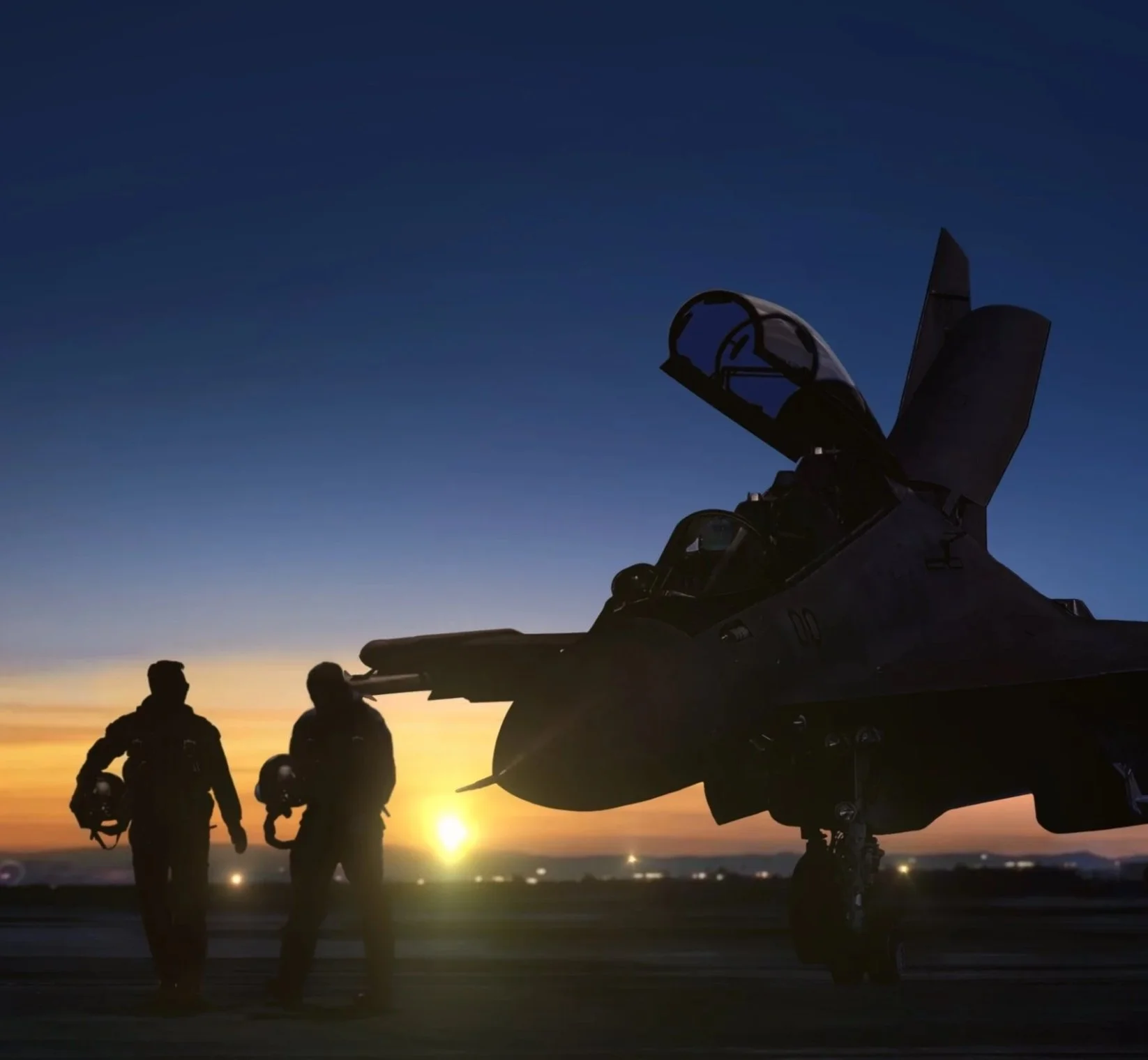
Our main focus is protecting the pilot as the most critical asset in aviation by advancing policies and standards that prioritize long term brain health, performance and career longevity.
We support the integration of advanced gear and equipment that can gather meaningful data to improve care and recovery, not to penalize pilots but to protect them and give them better insight into their health and readiness.
Like elite athletes in industries such as the NFL or Formula 1, pilots deserve the same level of support, performance optimization and long term health investment.
Our Priority is the Pilot
Mission Statement
The Aviation Brain Health Initiative advances research on the neurological effects of high-G flight in Navy and Marine pilots, raises awareness of brain health risks, and develops data-driven tools that deliver clear, actionable insights to help pilots protect their long-term brain health while advancing executive function and cognitive performance throughout their careers and beyond.
Our Values
-

CREDIBILITY
We prioritize scientific rigor, accurate information, and evidence-based communication.
-

ADVOCACY
We support and amplify the voices of aviators affected by neurological injury.
-

TRANSPARENCY
We communicate openly about research progress, findings, and ongoing questions.
Why This is
Essential
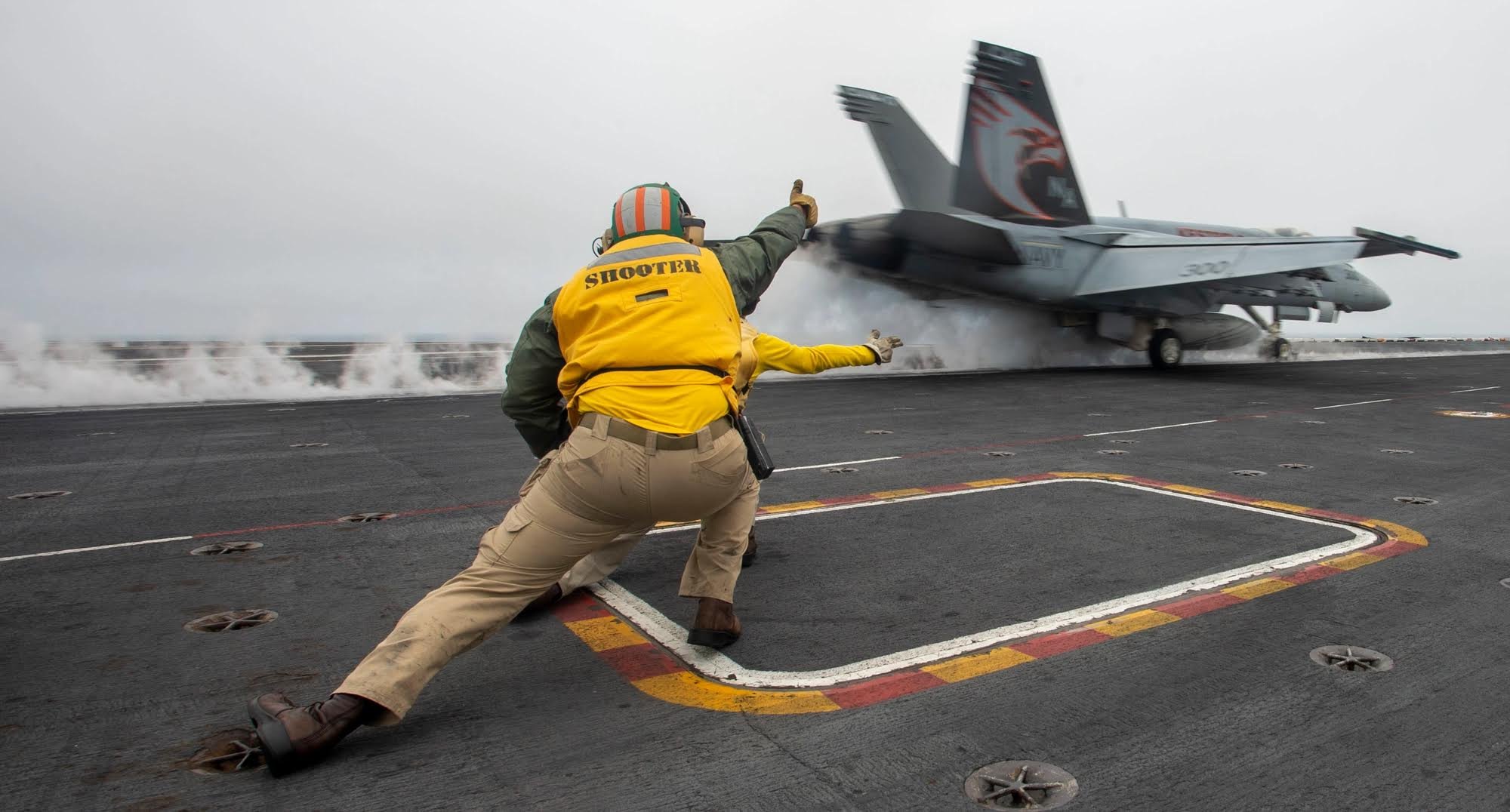
The Aviation Brain Health Initiative was created to address a critical but under-recognized issue: the impact of repeated high-G forces on pilot brain health. Navy and Marine pilots experience intense forces during carrier operations—catapult launches (“cats”), which rapidly accelerate aircraft from 0 to takeoff speed in seconds, and arrested landings (“traps”), where jets are abruptly stopped on a carrier deck—as well as during high-G maneuvers in flight. Each of these events places significant stress on the body and brain, creating repeated impacts over time that may contribute to long-term neurological effects.
This issue has remained largely unaddressed due to limited awareness and the demanding, high-tempo nature of military aviation. ABHI brings together experts from engineering, neuroradiology, and military aviation to drive research and solutions forward. Other industries like the NFL and UFC have already shown the importance of tracking head impacts, using sensors and data to better understand and manage brain health.
We aim to bring that same level of insight to pilots—developing tools, collecting data, and building medical awareness so pilots can understand their exposure and receive informed care both during and after their careers.
Our Main Focus
At Aviation Brain Health Initiative, our primary focus is on Navy and Marine pilots who regularly perform carrier takeoffs and landings, as well as high-G maneuvers that may contribute to brain trauma.
Through this research, we aim to raise awareness of the risks pilots face and advocate for better protective measures. We are also working to develop improved gear and equipment that can help monitor and protect pilot brain health.
Our goal is to give pilots access to reliable data about their own neurological condition providing them with the same level of insight and performance tracking that exists for their aircraft.

Veteran Voices
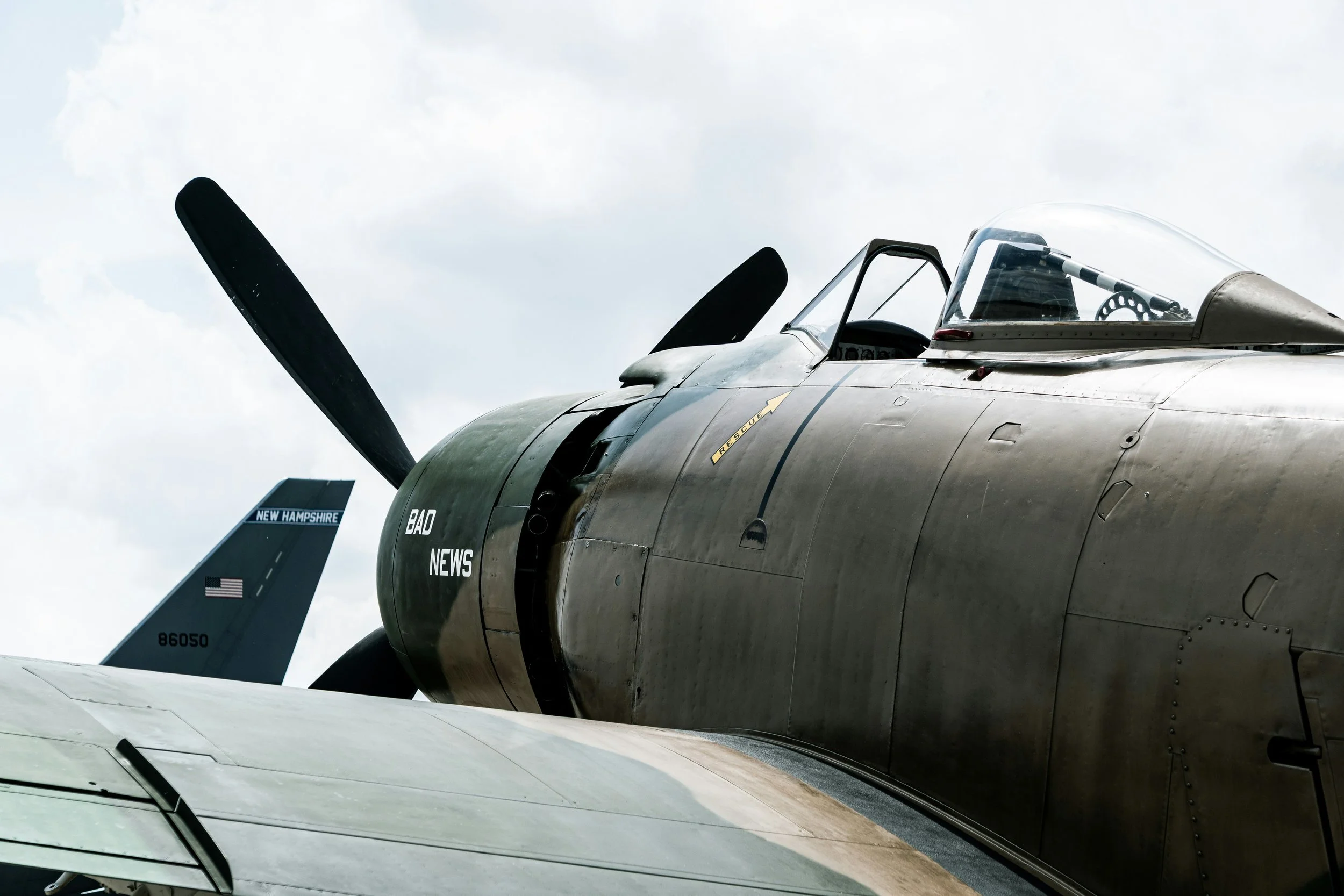
Behind every research question is a lived experience. Many aviators have stepped forward to share their stories in order to advance understanding and support others who may be facing similar challenges. ABHI provides a platform for these voices to be heard, respected, and documented as part of the broader effort to better understand aviation-related brain health.
We respect your privacy.
Get Involved
Progress in research and advocacy depends on a strong community. There are several ways to support the work of ABHI and help advance understanding of aviation brain health.
-
Your support helps advance critical research and expand awareness of aviation-related brain health concerns.
-
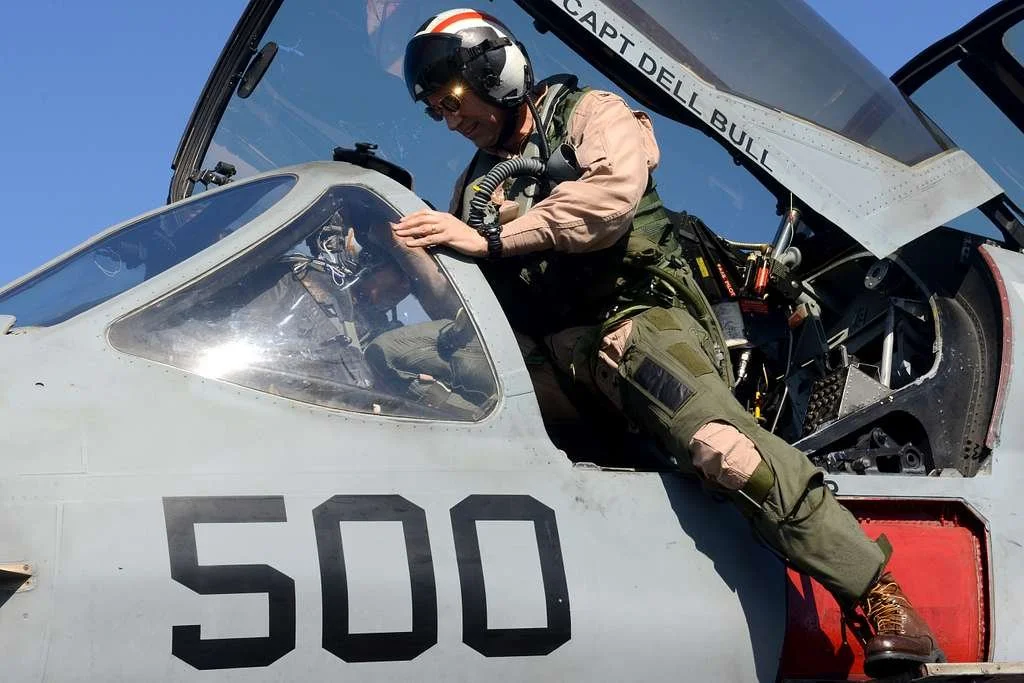
Veteran voices are essential to understanding the full impact of aviation-related exposures.