
Advancing the Science of
Aviation Brain Health.
This work requires a multidisciplinary effort that integrates operational aviation experience with expertise in medicine, engineering, and scientific research to investigate the neurological effects of high-performance flight. Our work focuses on characterizing the cumulative impact of repeated high-G exposure, carrier-based launch and recovery forces, and dynamic flight stressors on pilot brain health.
Through partnerships with leading universities, academic medical centers, and industry collaborators. Our objective is to develop validated monitoring systems, improve protective technologies, and establish clinically relevant frameworks for assessing neurological risk in military aviators.

What We Research
Our aim is to develop a comprehensive, data-driven research program to better understand the cumulative neurological effects of high-performance aviation environments, particularly those involving repeated exposure to high G-forces and rapid acceleration events.
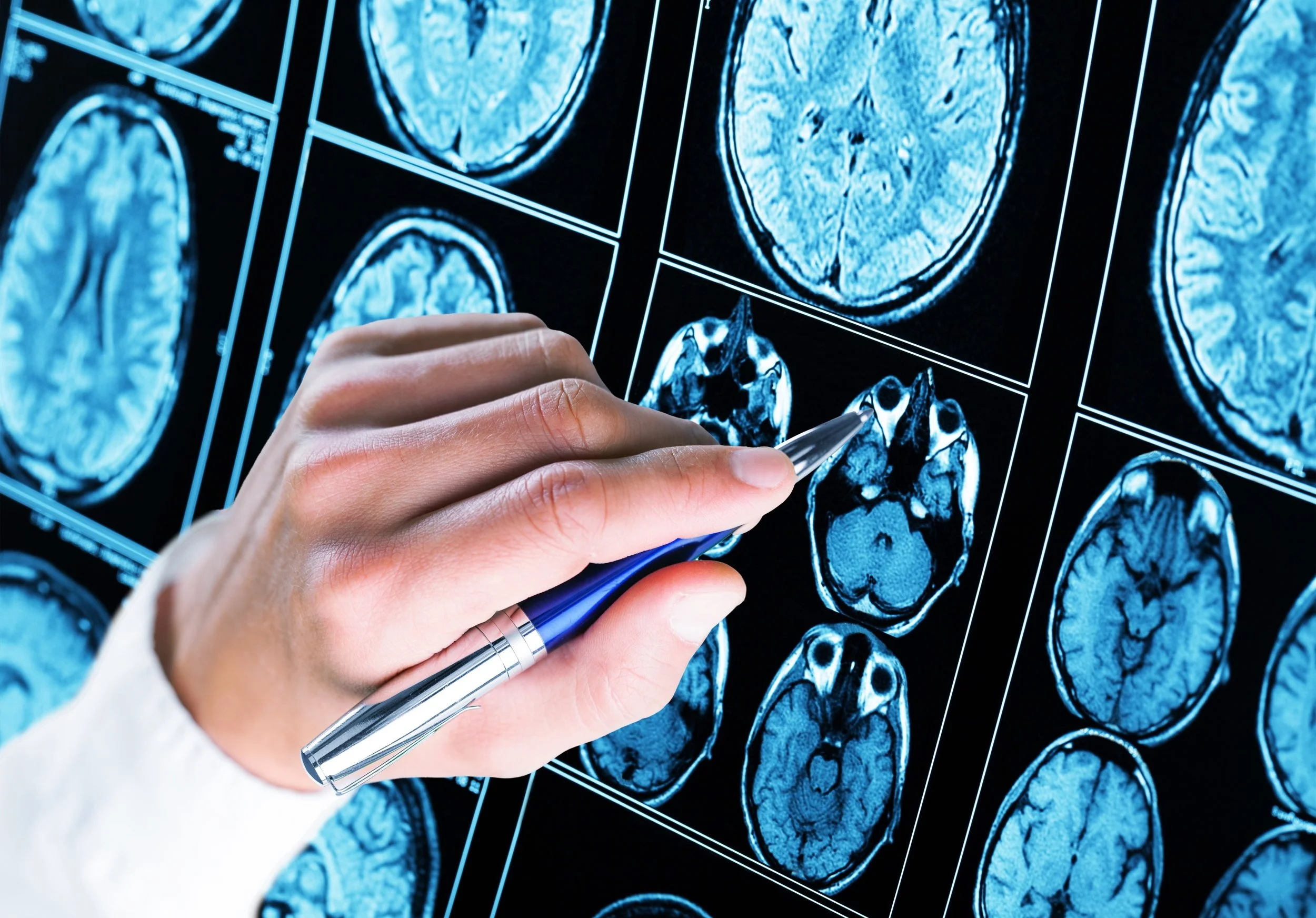
The initiative begins by establishing a detailed baseline for each participant through advanced neuroimaging, cognitive and neurological assessments, and exploratory biomarker and epigenetic profiling to better understand individual variability in stress response and recovery. These baseline measures enable longitudinal tracking of structural and functional changes over time. In parallel, we integrate high-resolution kinematic data collected from aircraft systems—including accelerometer-derived metrics capturing the magnitude, frequency, and duration of G-force exposure—into an individualized exposure profile for each flight. By combining engineering-based impact modeling with real-world operational data from events such as carrier catapult launches and arrested landings, we aim to quantify cumulative physical stress experienced by pilots. This research employs a cohort-based, longitudinal design, aligning biomechanical exposure data with clinical evaluations and advanced neuroradiological findings to identify potential correlations between repeated high-force exposure and neurological outcomes. Ultimately, this work seeks to establish a comprehensive framework for understanding risk, adaptation, and long-term brain health in high-performance aviation populations.
Our Approach Prioritizes:
-
01
EVIDENCE-BASED
RESEARCH -
02
COLLABORATION WITH MEDICAL & SCIENTIFIC EXPERTS
-
03
TRANSPARENCY IN FINDINGS AND ONGOING STUDIES
-
04
INCORPORATING THE EXPERIENCE OF AVIATORS TO INFORM RESEARCH

By supporting credible scientific inquiry, ABHI aims to contribute to a deeper understanding of aviation brain health and the factors that may influence long-term neurological wellbeing.

Current Research Initiatives
As part of our ongoing research, interviews conducted with naval aviators were provided to our head of research, Angela Medvedeva, PhD, at Rice University for secondary analysis examining the long-term neurological effects of repeated G-force exposure and carrier landings.
This IRB-approved study is helping inform a second study currently in development, which will more systematically investigate early neurological symptoms, including potential changes in cognitive function among pilots.
Research Leadership
ABHI collaborates with experienced researchers who bring expertise in neuroscience, aviation medicine, and brain health. Their work helps guide the scientific direction of the organization’s research initiatives.
Angela Medvedeva, PhD
Head Researcher
Angela Medvedeva, PhD leads ongoing research efforts focused on advancing understanding of the neurological impacts associated with aviation-related exposures. With a doctorate in neuroscience and over a decade of experience in human health research, her work combines scientific expertise with a commitment to exploring complex questions related to brain function and environmental influences.
A recipient of the NIH NLM Biomedical Informatics and Data Science Training Grant and an alumna of NASA’s STAR space biology program, Dr. Medvedeva has contributed to international research collaborations aimed at enhancing understanding of brain health. Through engagement with the broader scientific community—including presentations at King’s College London, the HHMI Janelia Research Campus, and national and international conferences—her work supports the advancement of knowledge in neuroscience and its applications to aviation brain health.



Looking Ahead
We are focused on building a future where human performance is treated with the same precision and priority as the aircraft itself, shifting from reactive care to proactive monitoring and support.
We aim to establish new standards that bring together technology, medicine and operations to better understand how pilots respond to the demands of flight and to publish research that advances the field and educates both the public and the pilot medical system.
Our goal is to create a system that strengthens resilience, improves decision making and supports continued research and innovation, ensuring pilots can sustain peak performance throughout their careers and beyond.

Stay Informed on the Latest Research
Scientific understanding continues to evolve as new studies and insights emerge. ABHI provides resources to help the aviation, medical, and veteran communities stay informed about ongoing research related to aviation brain health.